FOREST SCENES IN WATERCOLOR WORKSHOP
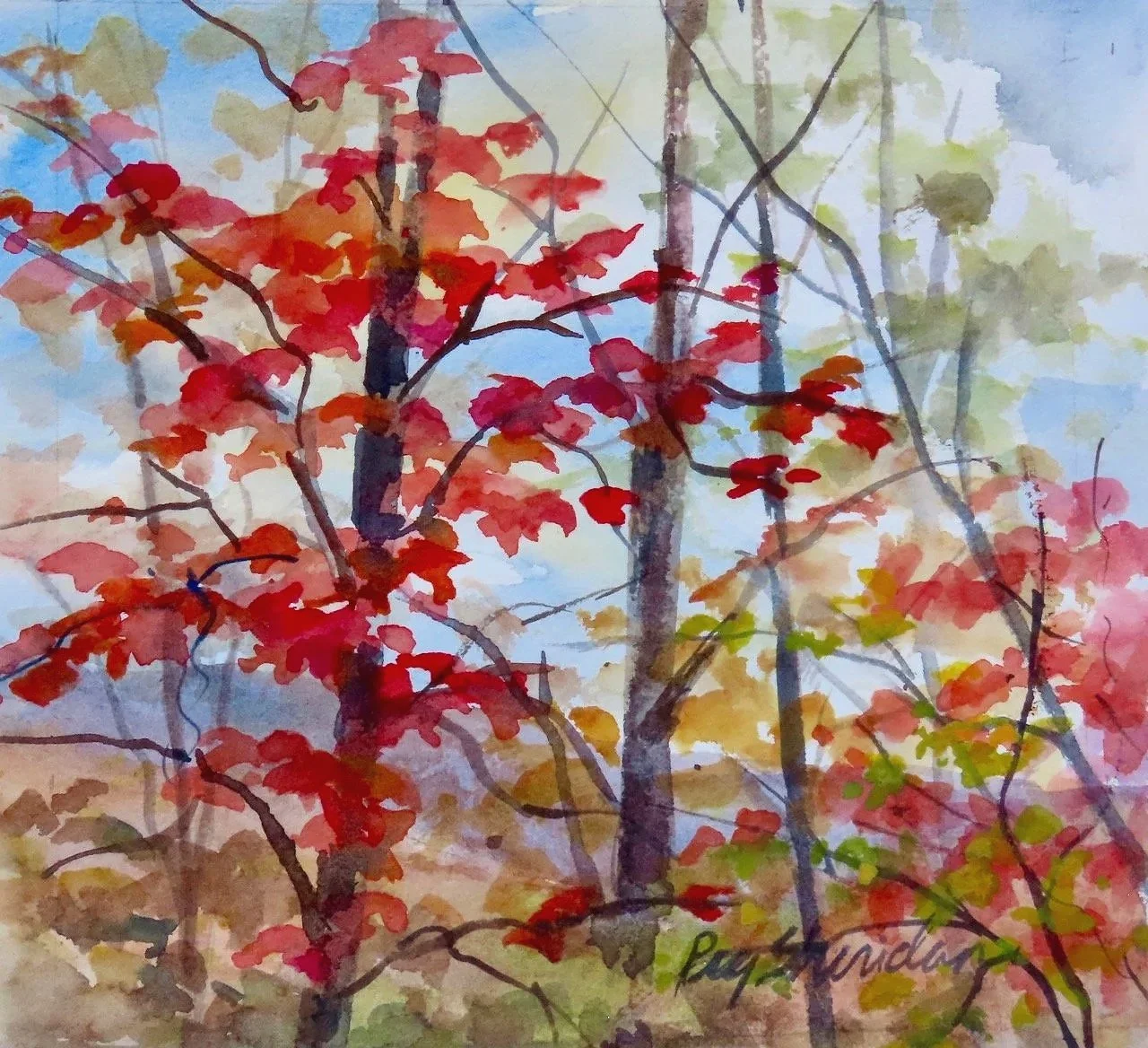
Forest Scenes in Watercolor
taught by Peg Sheridan
October 15, 2026,10-4, bring your own lunch
$175 (supplies $15 extra or bring your own)
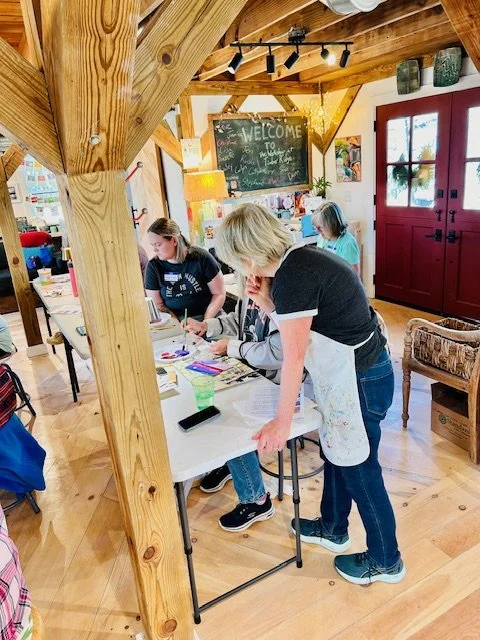
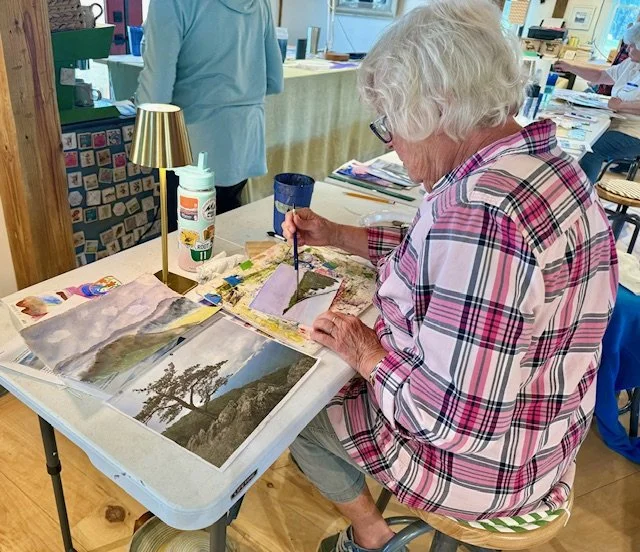
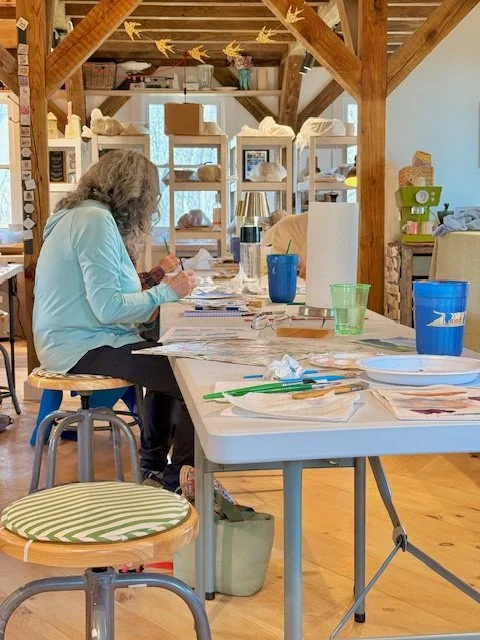
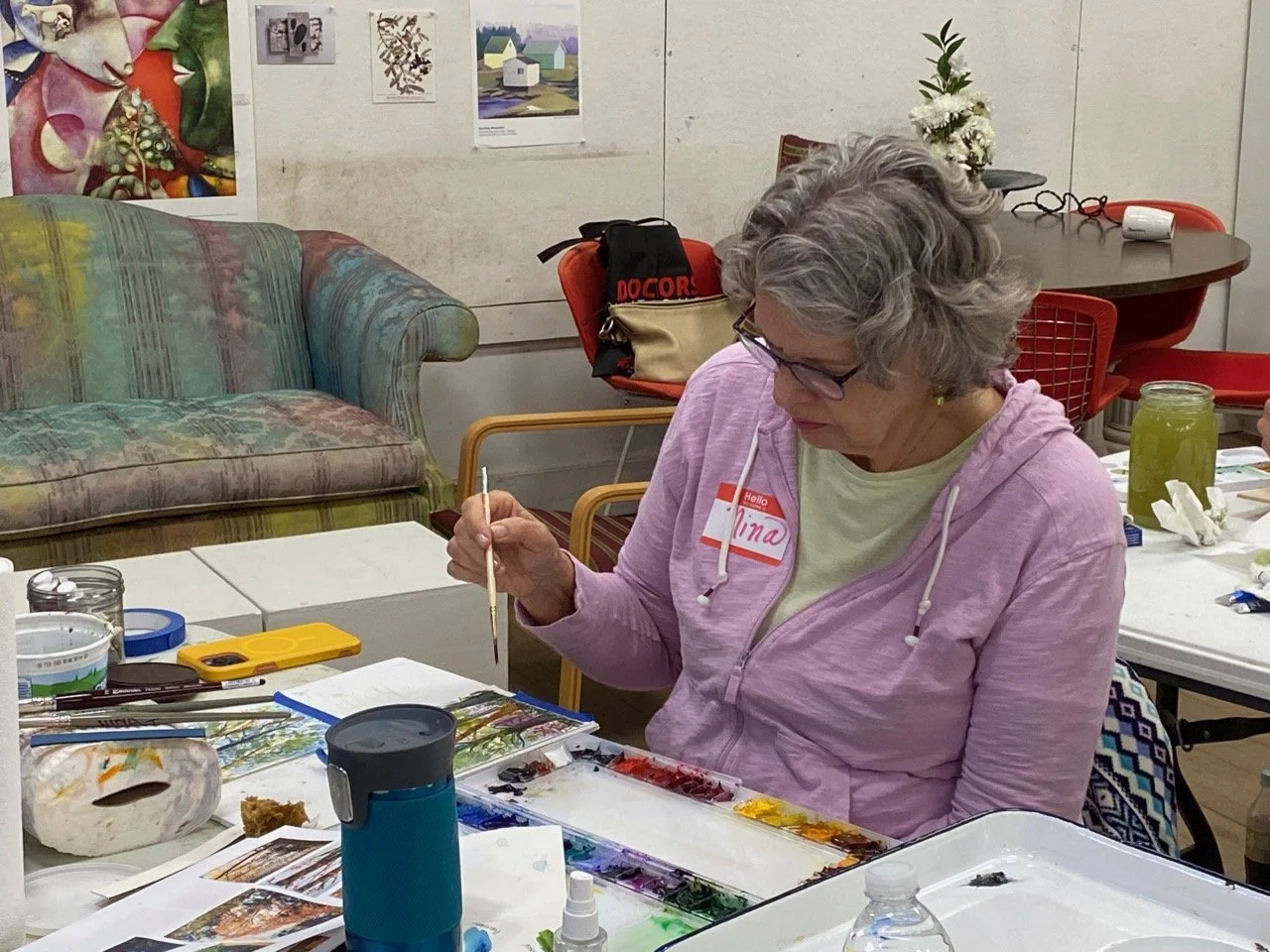
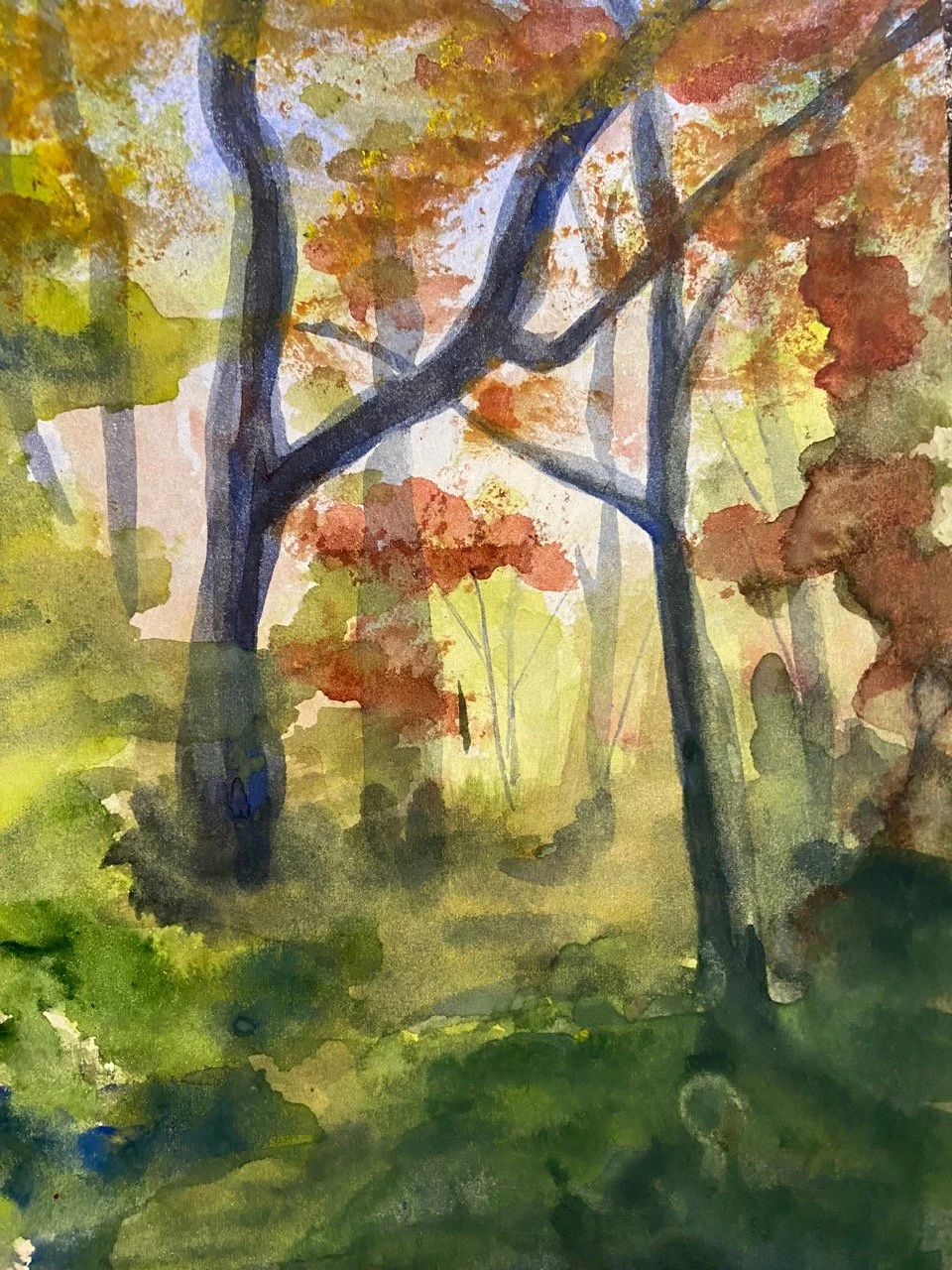
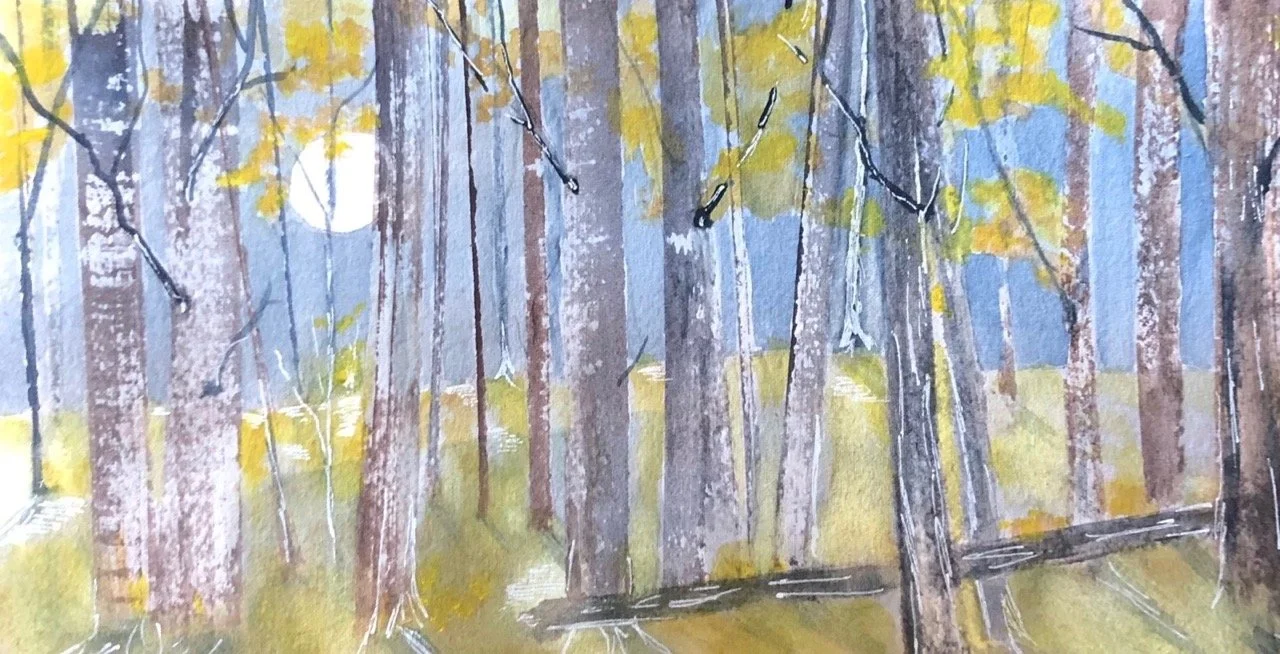
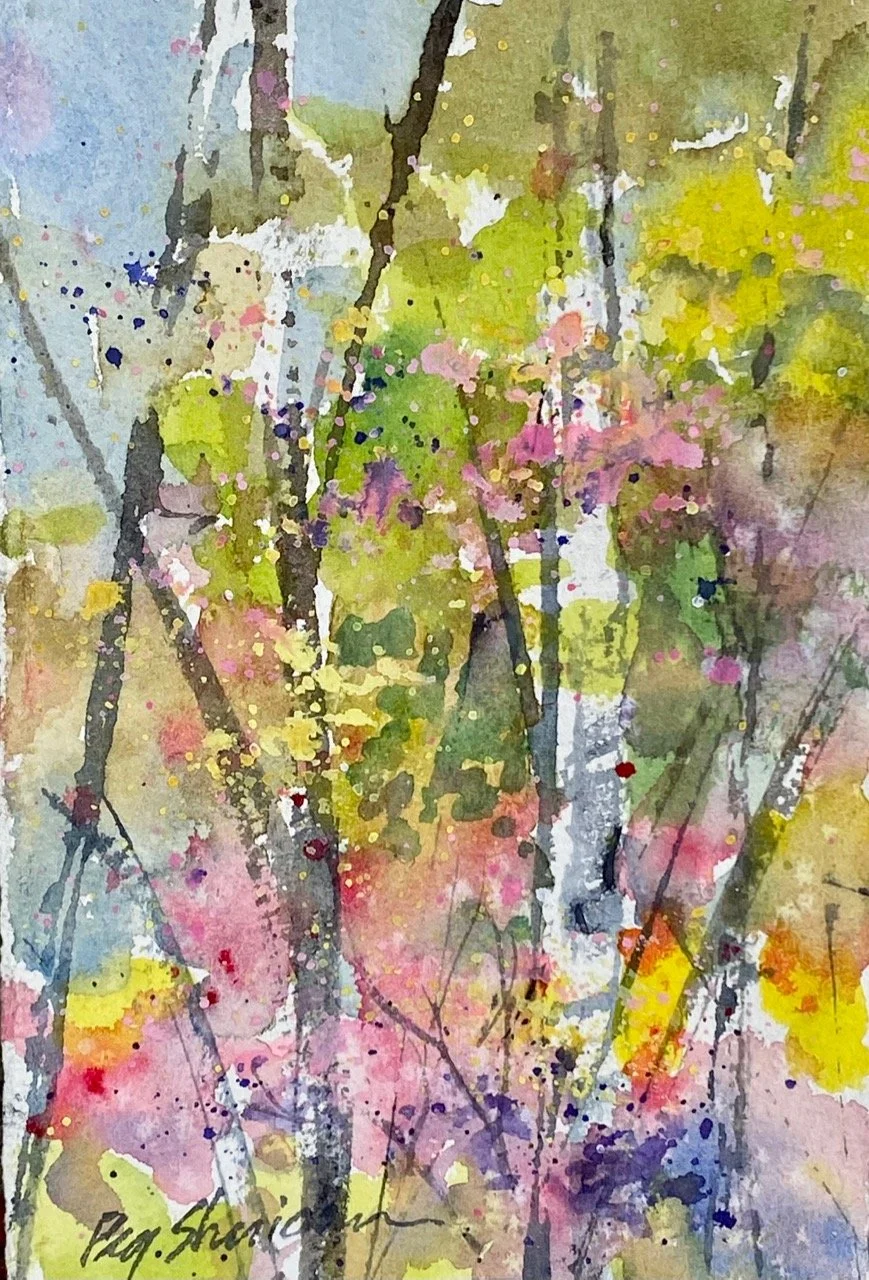
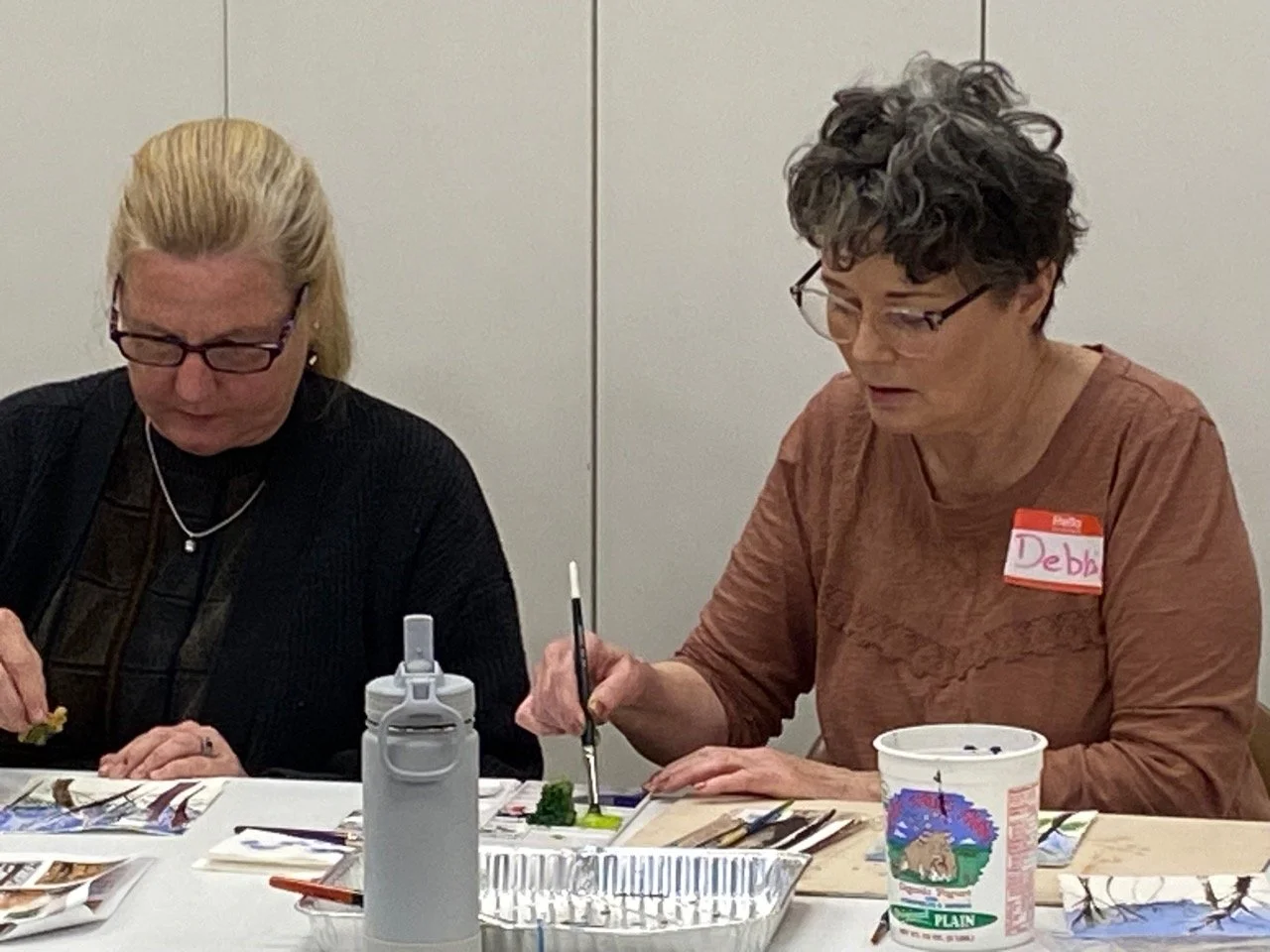
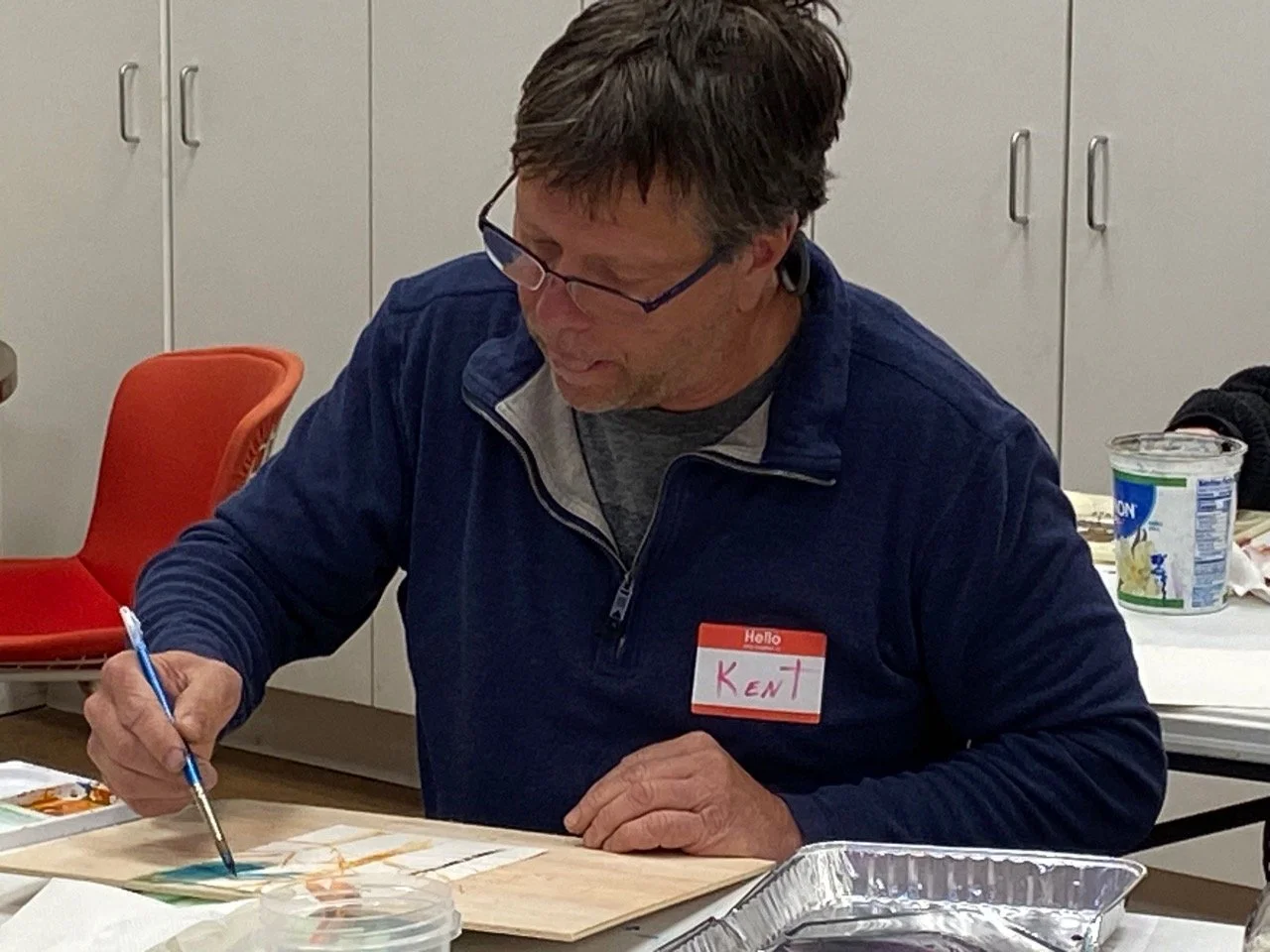
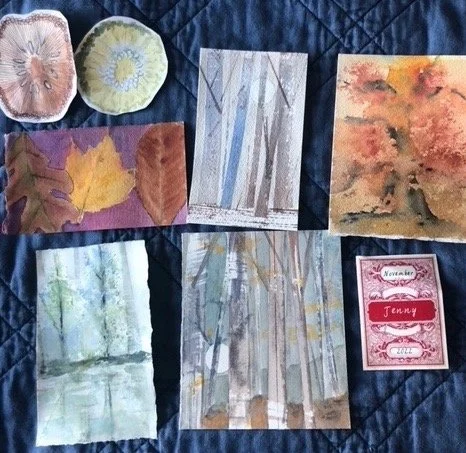
Learn fun ways to paint a forest in this informative workshop! We will use brushes, mat board, foam core, sponges and salt to make woodland scenes of any season of the year, including fall. You will learn new techniques, tips on composition, and how to choose colors that will work well in a painting. Bring photos of forest scenes (Peg will have some, too). Peg will provide color worksheets, demonstrations, one-on-one help, and critiques. Register with a friend and make it even more fun! This workshop is suitable for beginners to advanced painters.
For beginner to intermediate, but no experience necessary!
Note: All required materials can be provided for $15; simply add this to your order if you prefer. Otherwise, see the materials list with some requirements below.
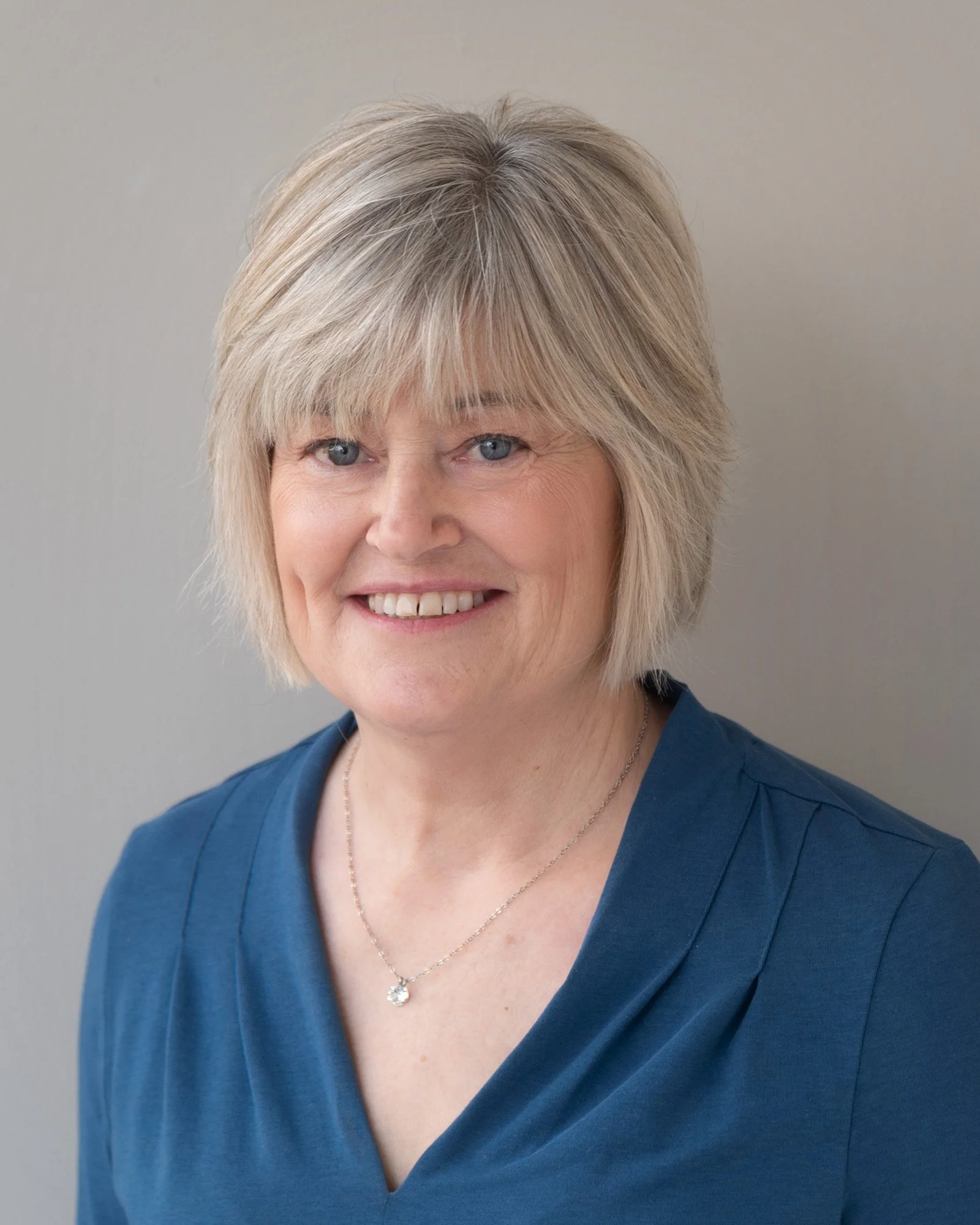
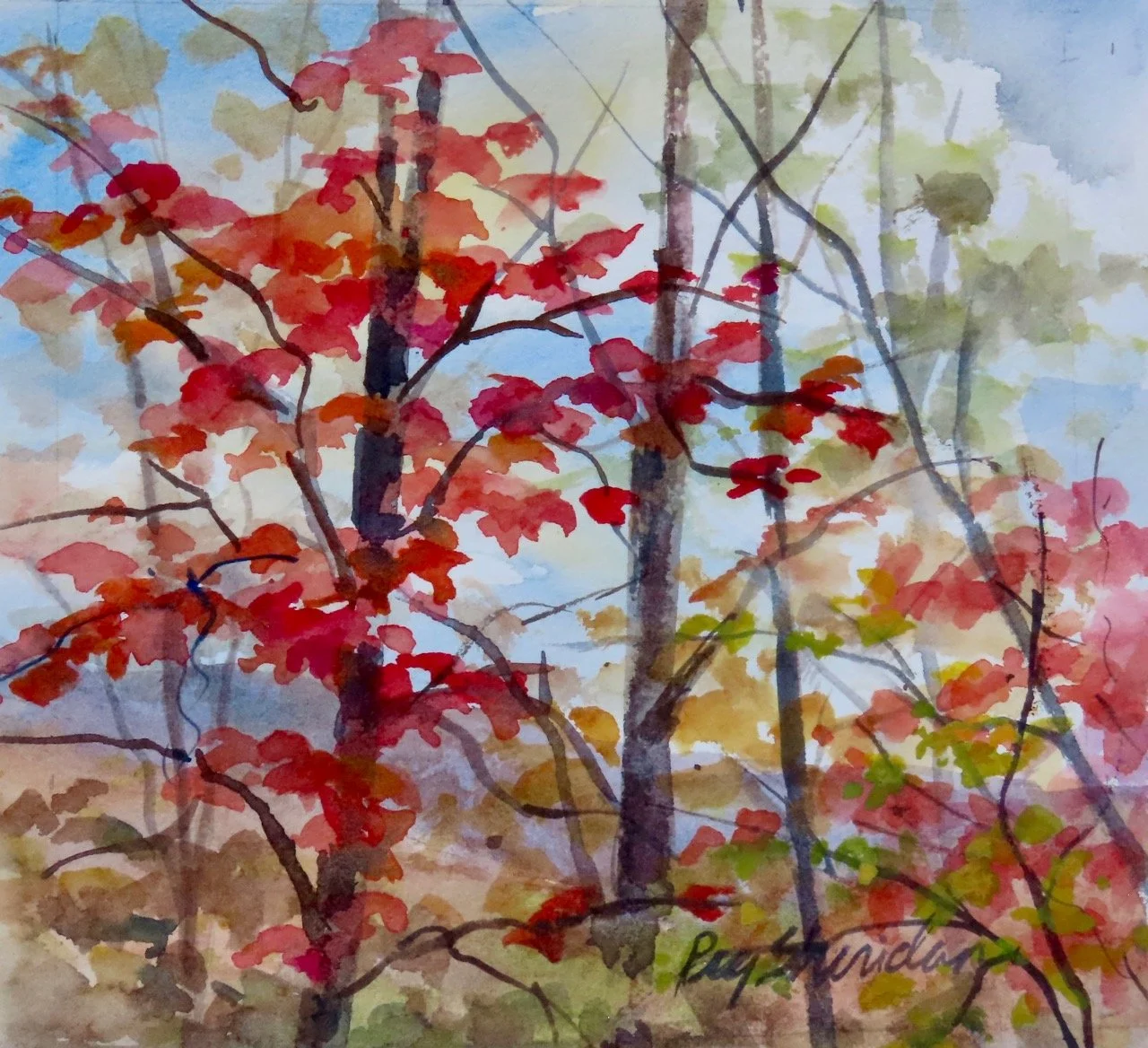
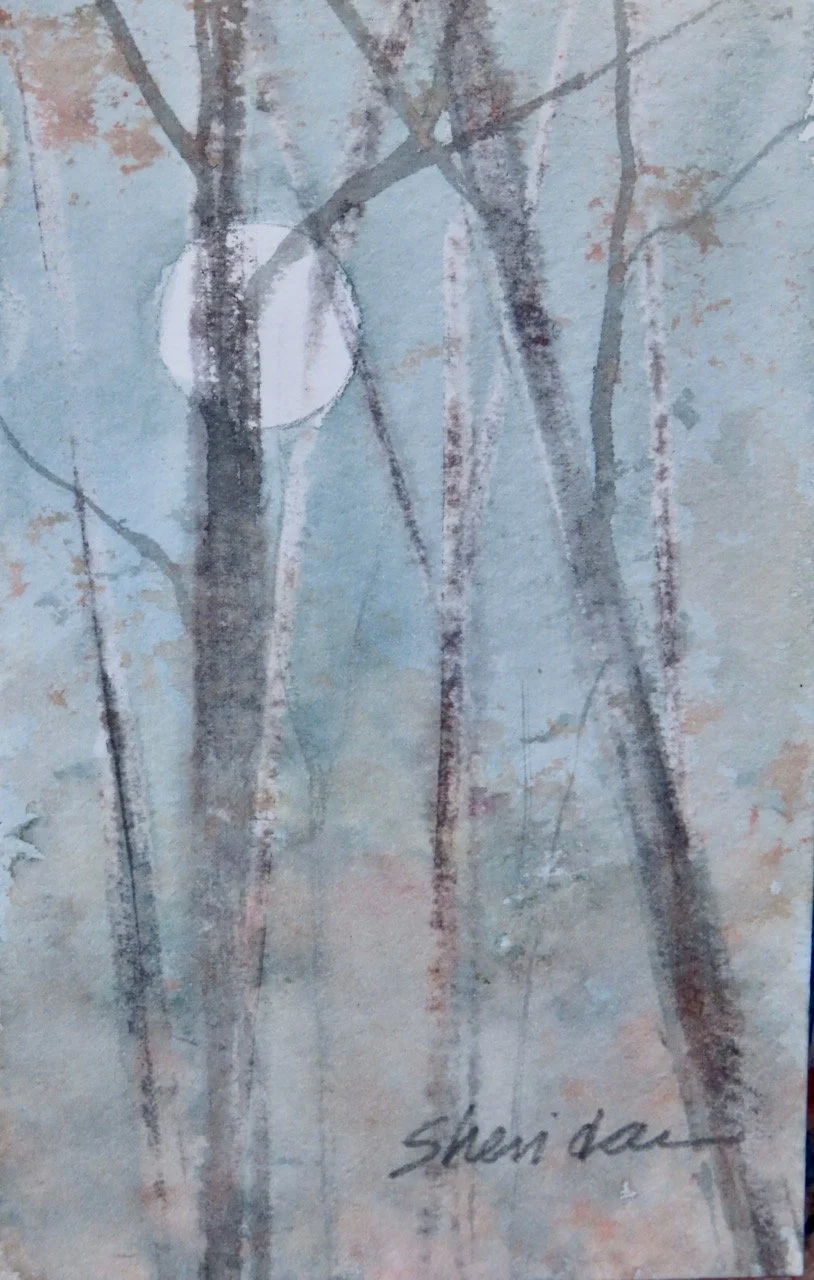
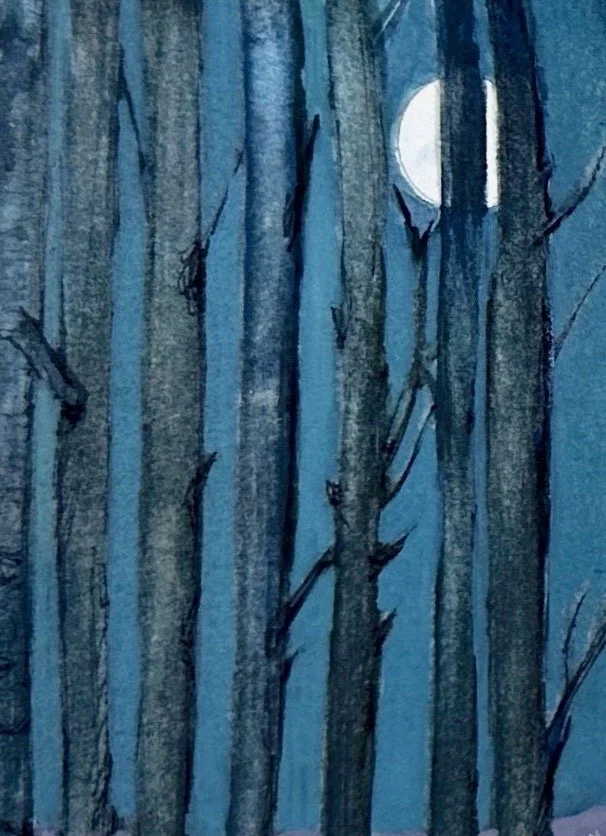
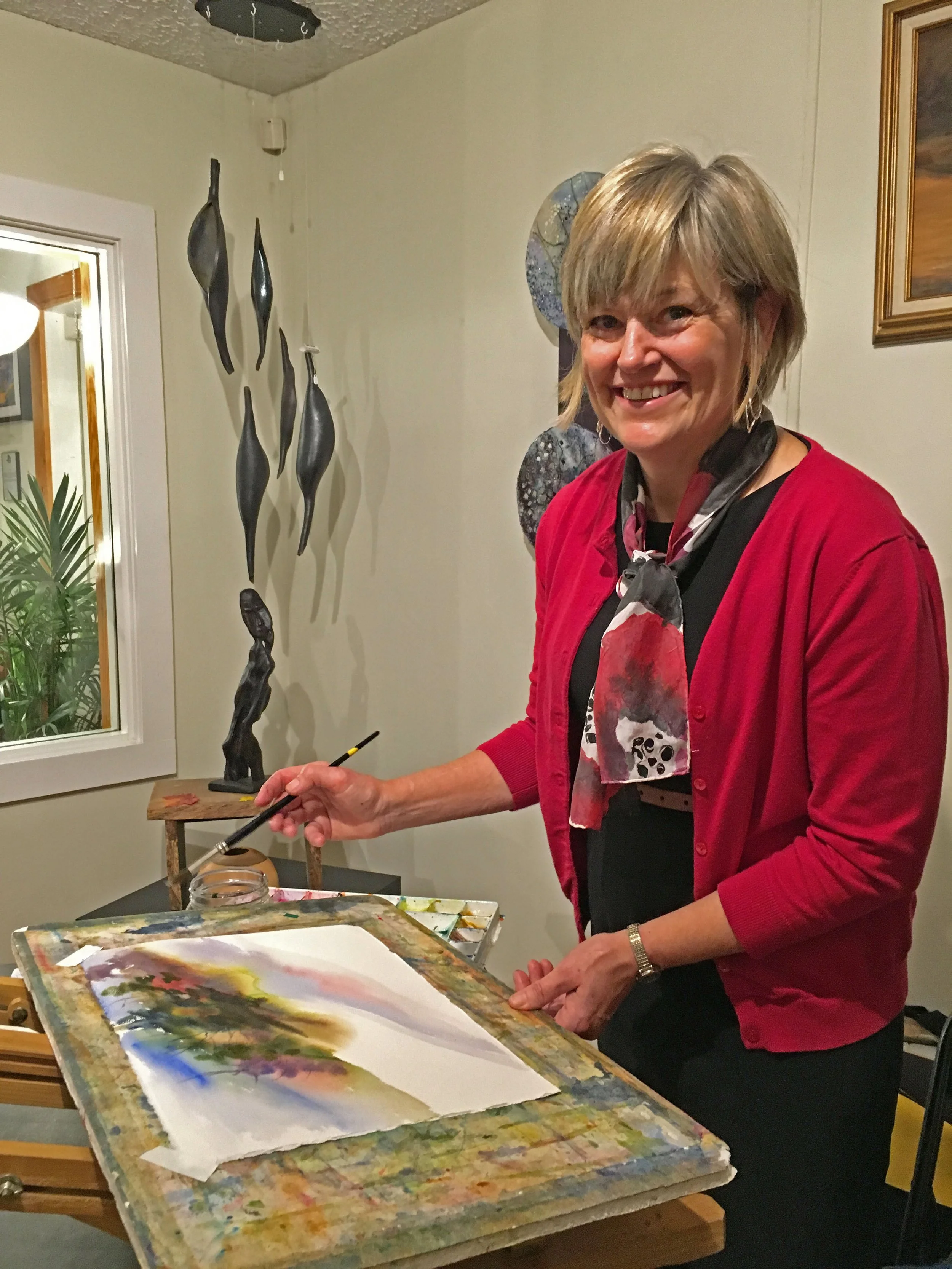
Artist Peg Sheridan lives in Staunton, Virginia. She has 45 years of experience in painting watercolors. She enjoys sharing her experience, and has been teaching art classes for 35 years. With a degree in Wildlife Biology, Peg has a special interest in painting landscapes and wildlife. She enjoys painting outdoors, or “en plein air”.
Peg is a signature member of the Baltimore Watercolor Society and the Virginia Watercolor Society, and is active in several other arts organizations. She has won several awards for her paintings, including “Best Watercolor” in Plein Air Magazine’s August 2021 salon competition. Three of her paintings were also in the top 100 of the international Watercolour Magazine’s competition “Watercolor Sketches Done on Location”, Issue #50. In 2021, Peg was awarded the Louisa Arts Center Award of Artistic Merit.
Peg is known for her loose, colorful watercolors. “My paintings are a way for me to share my love of the outdoors, and my appreciation for the beauty around us. Many of them are painted outside. They also share my love of the medium of watercolor, with its transparency, ability to flow across the paper, and the wonderful surprises that happen. I usually start with a small sketch. I plan my colors, often using a limited palette of three to five colors. I often wet my watercolor paper, and quickly put in washes of color. When that dries, I start adding details, lights, and darks. When the light, colors, and atmosphere of the day are captured, I stop. I hope that my work inspires you to get out and explore the beauty of our region.”